
Towns
TOWNS HUB PAGE
Explore All 12 Towns Around Lake Atitlán
Each town around the lake has its own unique personality — from quiet wellness retreats and artisan communities to lively backpacker hubs and traditional Maya villages. Use the map to get your bearings, then explore each town below to find the one that best fits your travel style.
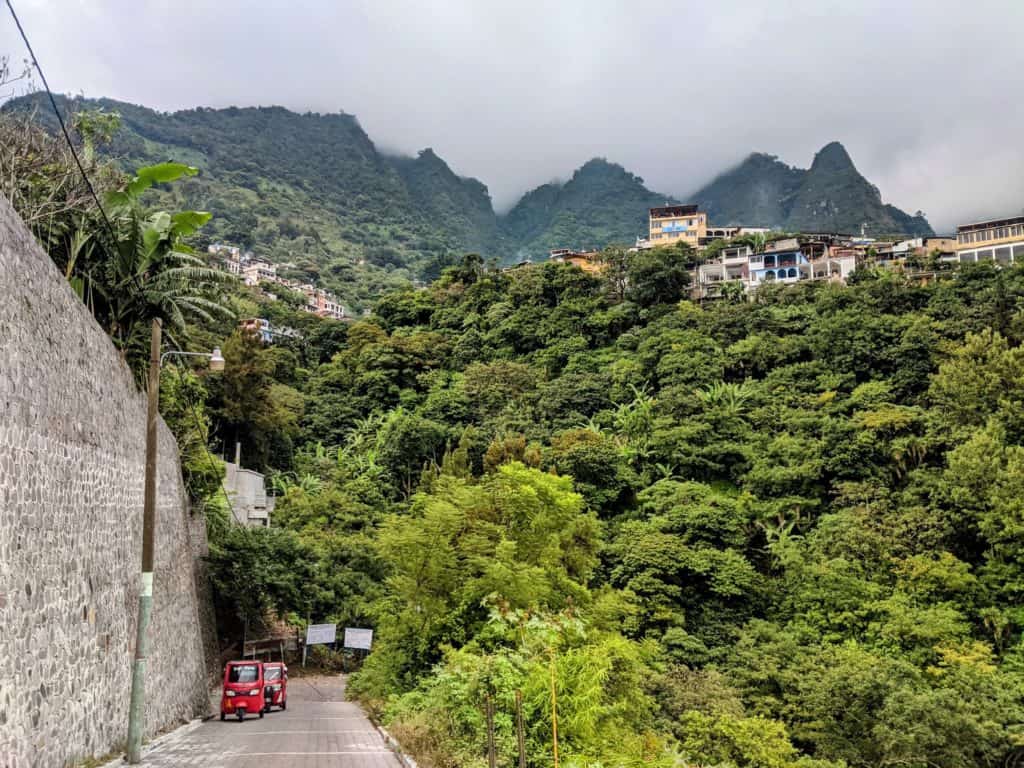
Panajachel
Panajachel is the lake’s commercial hub and the easiest town for logistics.
It offers the widest range of accommodations ($15–200/night), many Guatemalan and international restaurants, supermarkets, banks, pharmacies, and the best-developed tourist services. Calle Santander is packed with vendors selling textiles and handicrafts.
Panajachel is ideal for first-time visitors, families, and anyone who wants convenience over rustic charm. It’s also the best base for day trips to other towns because of its robust transportation network. The trade-off: it’s more commercial and less quaint than the smaller villages.
Panajachel
- Locals call it Pana.
- One of the first Atitlán towns to embrace tourism back in the 1960s “hippie trail” era.
- Pana has more ATMs than any other town on the lake.
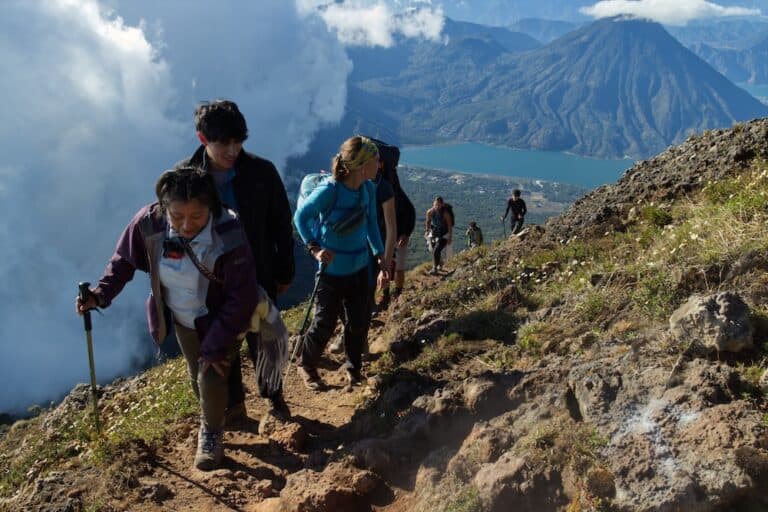
San Pedro La Laguna
Panajachel is the lake’s commercial hub and the easiest town for logistics.
It offers the widest range of accommodations ($15–200/night), many Guatemalan and international restaurants, supermarkets, banks, pharmacies, and the best-developed tourist services. Calle Santander is packed with vendors selling textiles and handicrafts.
Panajachel is ideal for first-time visitors, families, and anyone who wants convenience over rustic charm. It’s also the best base for day trips to other towns because of its robust transportation network. The trade-off: it’s more commercial and less quaint than the smaller villages.
Fun Facts – Panajachel
- Locals call it Pana.
- One of the first Atitlán towns to embrace tourism back in the 1960s “hippie trail” era.
- Pana has more ATMs than any other town on the lake.
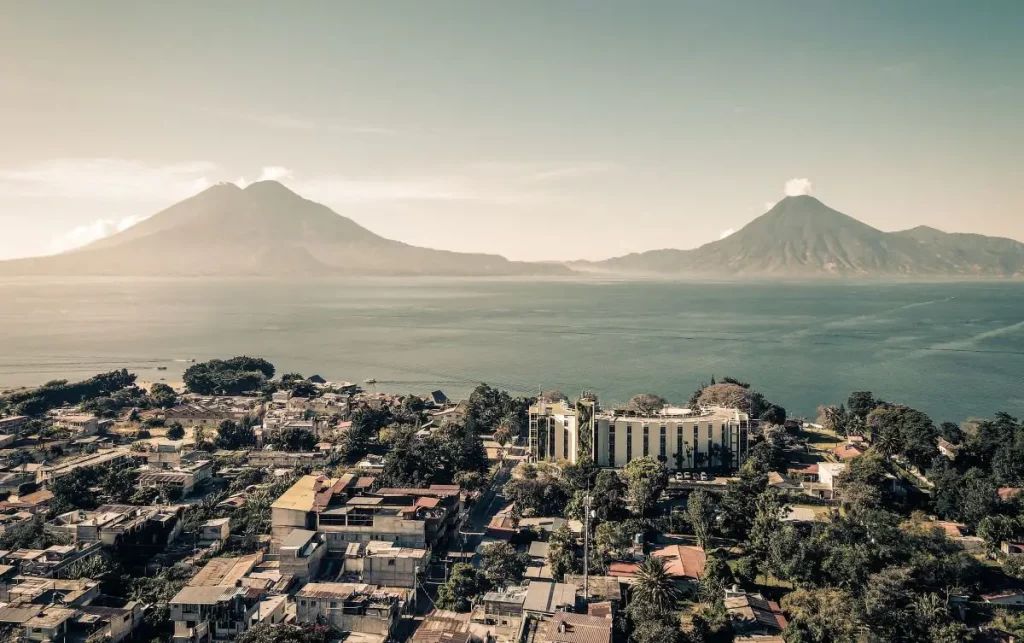
Santa Cruz La Laguna
A cliffside village with stunning lake views and some of the most beautiful boutique lodges. Perfect for relaxation, nature lovers, and travelers wanting a more secluded experience.
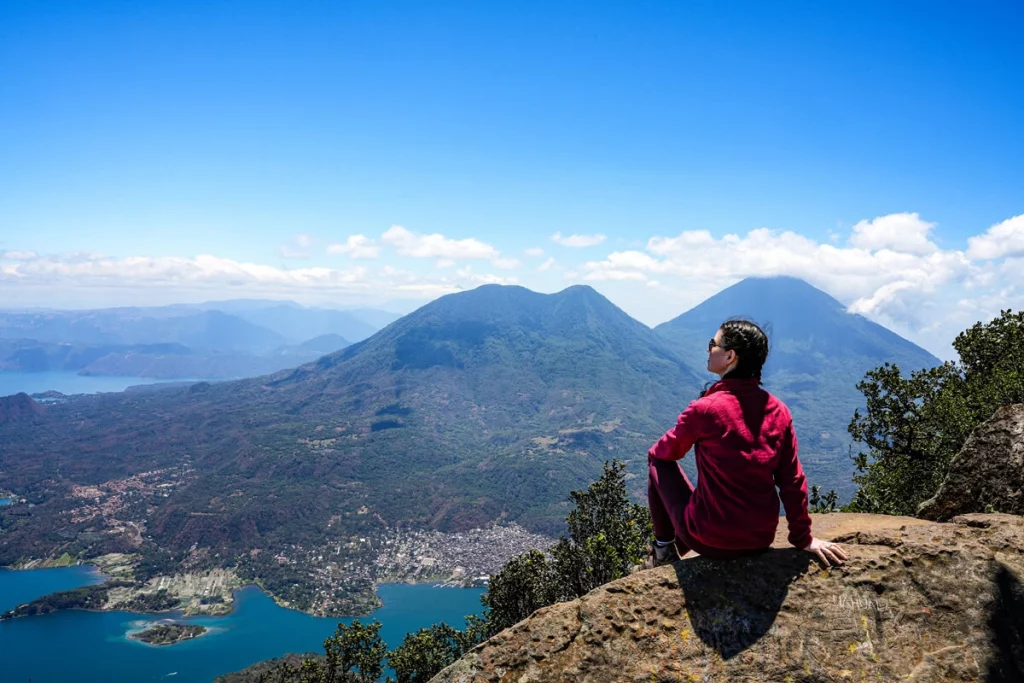
Jaibalito
One of the smallest towns on the lake, known for its remote feel and quiet charm. A favorite for hikers, digital nomads, and those looking to escape the crowds.
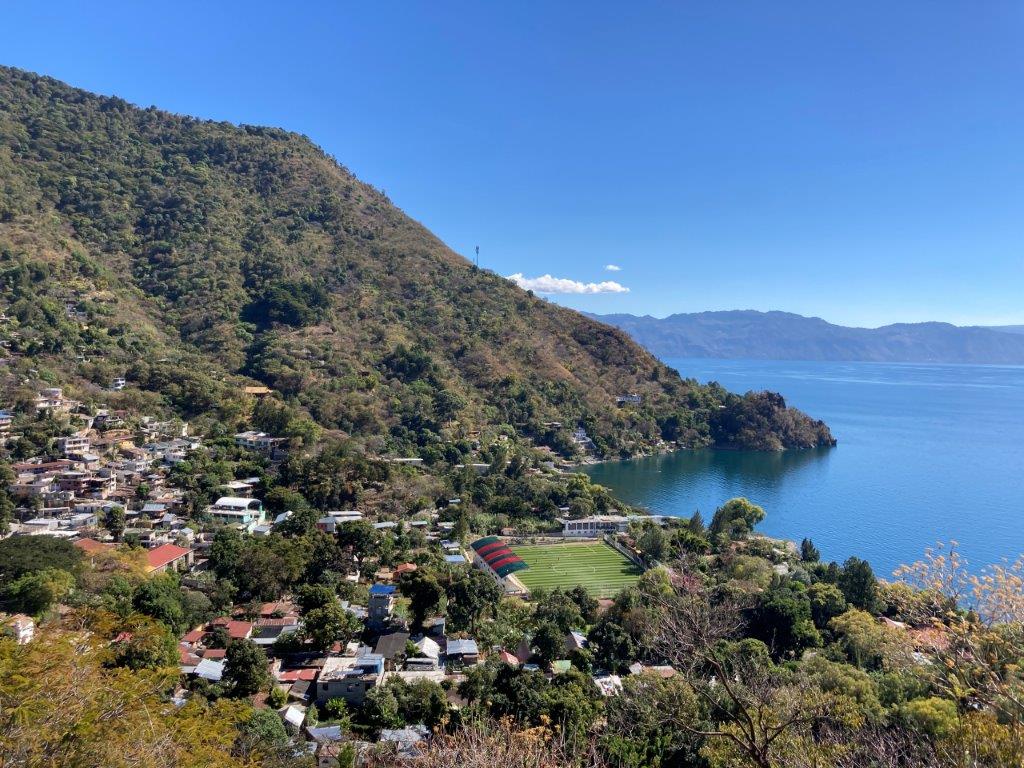
San Pedro La Laguna
A peaceful wellness haven known for yoga, meditation centers, and holistic retreats. Ideal for travelers seeking calm, nature, and a slower pace.
Tzununa
A fast-growing village with a blend of agriculture, eco-living, and emerging digital nomad spots. Great for those who love nature, tranquility, and open views of the lake.
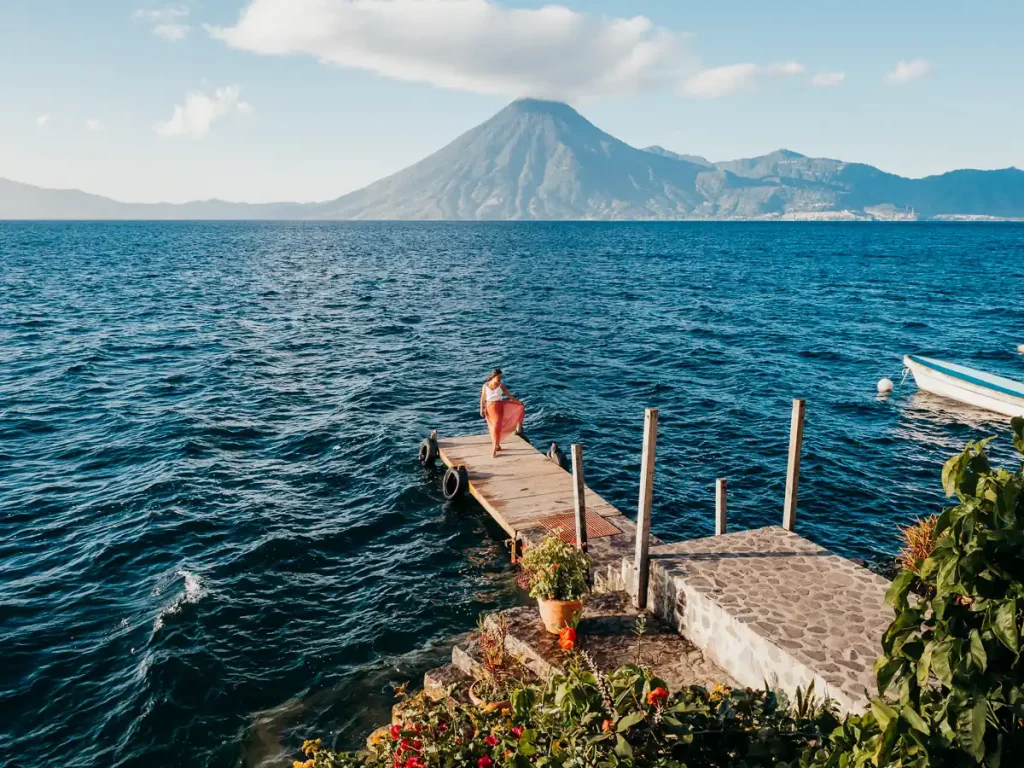
San Antonio Palopó
A traditional pottery village with steep hills, beautiful textiles, and a strong artisan community. Best for travelers looking for authentic culture and local crafts.

San Juan La Laguna
A model community known for fair-trade cooperatives, weaving collectives, natural dye workshops, and clean, organized streets. Perfect for responsible travelers and artisans-at-heart.
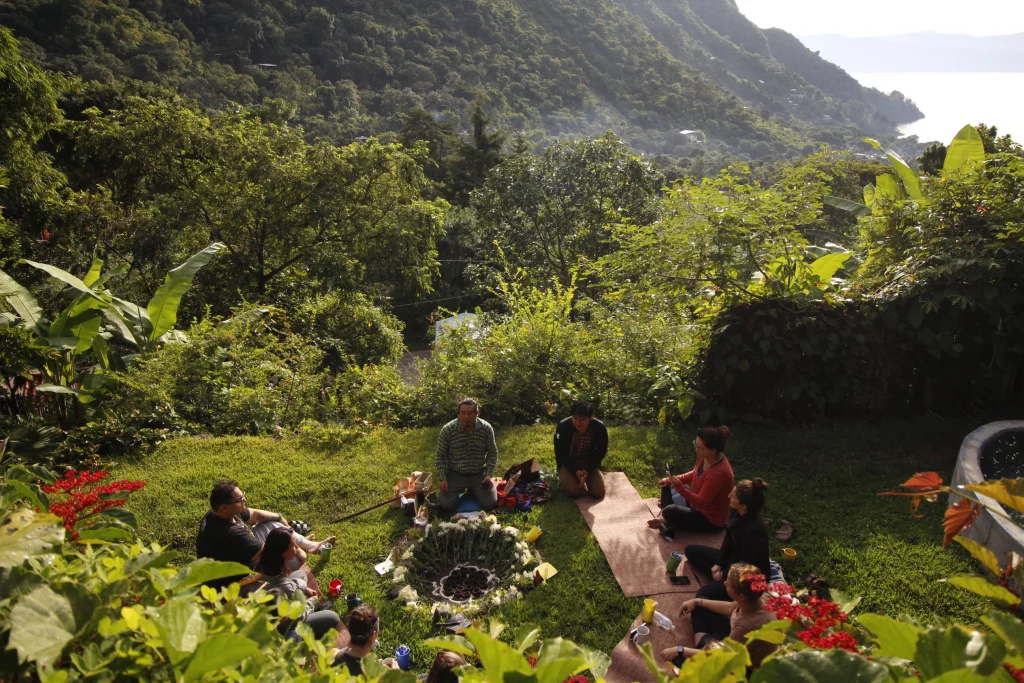
Santa Catarina Palopó
Famous for its colorful painted houses and strong indigenous identity. A quiet, scenic village ideal for photography lovers and cultural travelers.
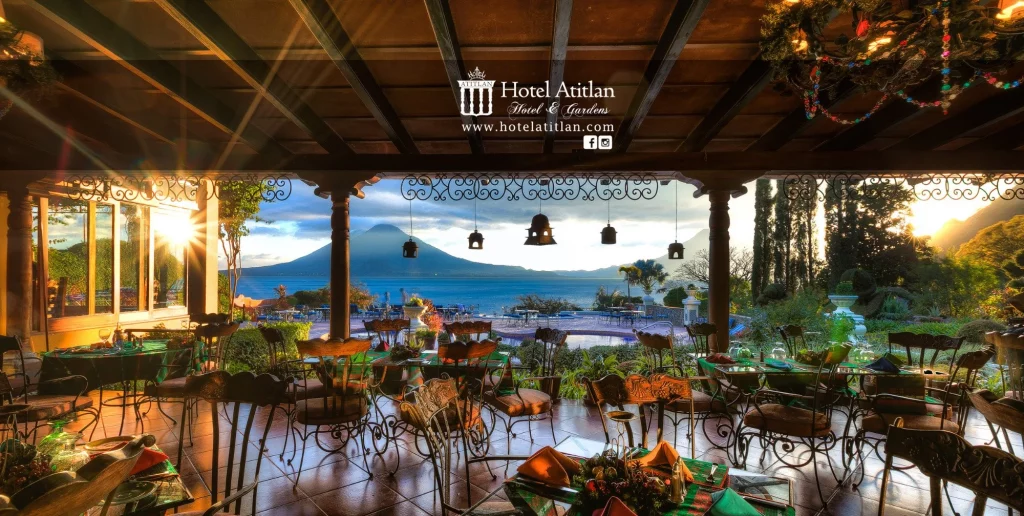
Santiago Atitlán
The largest and most culturally rich town on the lake, home to traditional markets, Maximon, and deep Maya heritage. Ideal for culture lovers and history enthusiasts.
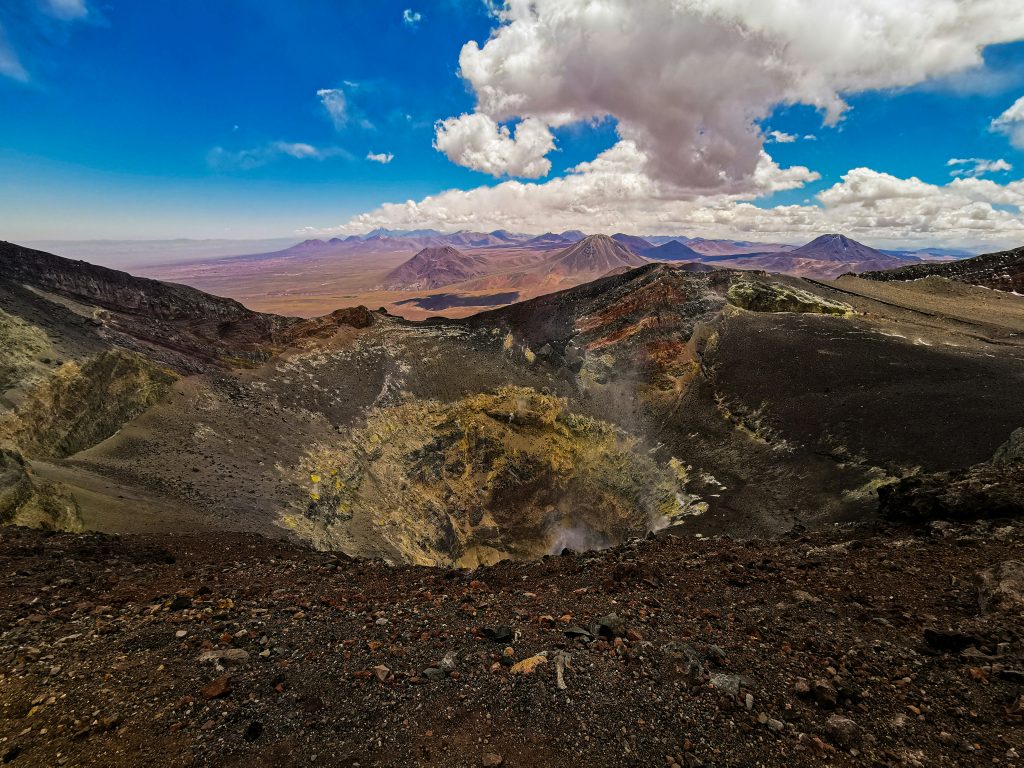
San Pablo La Laguna
A quiet, mostly residential town that offers an authentic local feel away from tourist crowds. Great for those wanting to see everyday life on the lake.
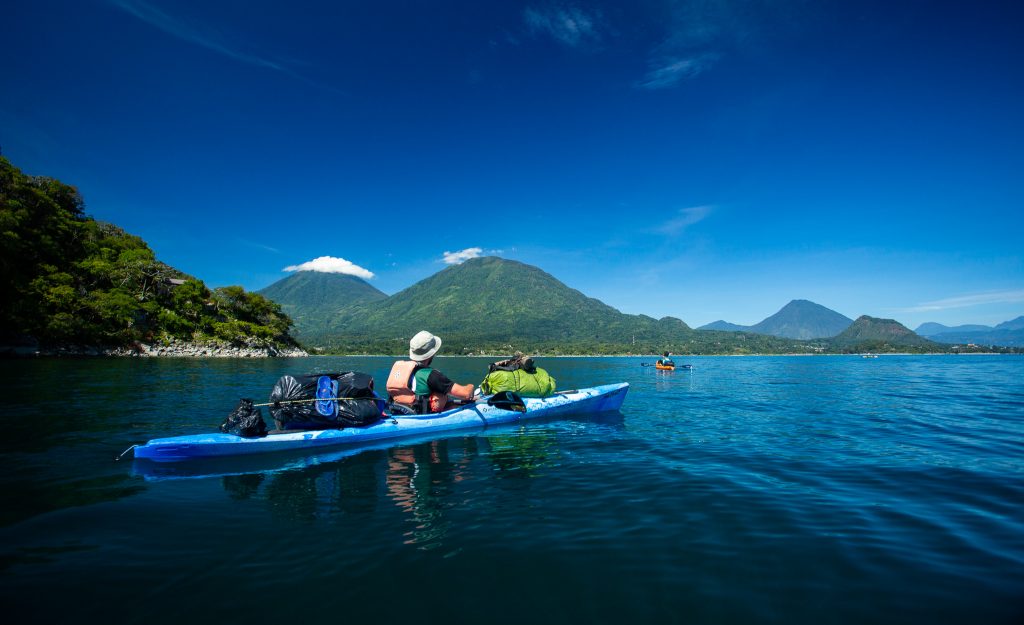
San Lucas Tolimán
A calm lakeside town with coffee farms, local markets, and access to Tolimán Volcano. A good base for travelers exploring the southeastern side of the lake.
Panajachel
Panajachel is the lake’s commercial hub and the easiest town for logistics.
It offers the widest range of accommodations ($15–200/night), many Guatemalan and international restaurants, supermarkets, banks, pharmacies, and the best-developed tourist services. Calle Santander is packed with vendors selling textiles and handicrafts.
Panajachel is ideal for first-time visitors, families, and anyone who wants convenience over rustic charm. It’s also the best base for day trips to other towns because of its robust transportation network. The trade-off: it’s more commercial and less quaint than the smaller villages.
Fun Facts – Panajachel
- Locals call it Pana.
- One of the first Atitlán towns to embrace tourism back in the 1960s “hippie trail” era.
- Pana has more ATMs than any other town on the lake.
San Pedro La Laguna
San Pedro sits on Lake Atitlán’s northwest shore and is a favorite among backpackers, Spanish students, and budget travelers.
You’ll find plenty of affordable hostels ($8–15/night), an active bar scene, and a lively backpacker community. Popular nightlife spots include Alegre Pub, Sublime, and Buddha Bar.
As the most developed town after Panajachel, San Pedro offers ATMs, pharmacies, reliable WiFi, and numerous shuttle connections. It’s also a great base for outdoor activities. The San Pedro Volcano trail is within easy reach.
Fun Facts – San Pedro
- San Pedro has one of the highest concentrations of Spanish schools on the lake.
- Locals call it “the town that never sleeps” thanks to its nightlife.
- The town is divided into two distinct areas: the party-friendly lakeshore and the quieter, more traditional upper village.
San Marcos La Laguna
San Marcos is Lake Atitlán’s wellness hub. It attracts yogis, meditation practitioners, and travelers seeking rejuvenation. Here you’ll find yoga studios, sound healing centers, cacao ceremonies, and holistic practitioners offering all sorts of treatments and massage styles. Accommodations range from budget hostels ($12–20/night) to eco-lodges ($80–150/night).
This is one of the most introspective towns on the lake. It’s great for wellness retreats, peaceful stays, and digital nomads seeking community. Look here for healthy restaurants with plenty of vegetarian and vegan fare.
San Marcos is perfect for travelers who want calm, nature, and spiritual experiences. Families do well here if kids appreciate quieter environments.
Fun Facts – San Marcos
- Known locally as the hippie town for its holistic scene; its main walking path from the dock is nicknamed “hippie highway.”.
- The village has a well-known cliff-jumping spot at Cerro Tzankujil Nature Reserve.
- Many buildings follow sacred geometry-inspired designs.
Santa Cruz La Laguna
Santa Cruz is a peaceful, upscale escape accessible mainly by boat. Most hotels sit along the lakeshore with stunning views, while the local village is situated far above the water.
Accommodations tend to be pricier ($60–180/night) and focus on relaxation, wellness, and sustainability. Services are limited—one ATM and just a handful of independent restaurants.
Choose Santa Cruz if you want tranquility, beauty, and a resort-like experience. It’s perfect for honeymoons, romantic getaways, or travelers who plan to unwind.
It’s less suited for budget travelers or anyone seeking nightlife.
Fun Facts – Santa Cruz
- The lakeshore area and the original village are connected by a steep 20–25 minute climb. Tuk-tuks are available as well to take you up the hill.
- Santa Cruz is home to several award-winning eco-lodges as well as a cafe with breathtaking views on the top floor of CECAP, a long-standing vocational training center.
- The town has no central road access—boats are the main transportation.
Santiago Atitlán
Santiago is the largest town on Lake Atitlán and the cultural heart of the Tz’utujil Maya people. It’s more authentic and less touristy than other towns, offering a deeper cultural experience. Accommodations are affordable ($20–60+/night), and the town is known for traditional weaving, vibrant markets, and its famous shrine to Maximón, a grandfather deity to whom whiskey and cigarettes are offered in a unique Guatemalan blend of Maya and Catholic traditions.
Choose Santiago if you want cultural immersion, enjoy learning from local artisans, or prefer a working town to a resort-style village. It’s great for Spanish speakers and travelers comfortable with a more local experience. Families with curious kids will also find it rewarding.
Fun Facts –Santiago
- Home to the largest population of Tz’utujil Maya.
- The Maximón effigy moves to a new house every year.
- Local women traditionally wear handwoven huipiles depicting birds.
San Juan La Laguna
Santa Cruz is a peaceful, upscale escape accessible mainly by boat. Most hotels sit along the lakeshore with stunning views, while the local village is situated far above the water.
Accommodations tend to be pricier ($60–180/night) and focus on relaxation, wellness, and sustainability. Services are limited—one ATM and just a handful of independent restaurants.
Choose Santa Cruz if you want tranquility, beauty, and a resort-like experience. It’s perfect for honeymoons, romantic getaways, or travelers who plan to unwind.
It’s less suited for budget travelers or anyone seeking nightlife.San Juan is calm, artistic, and rich in Maya traditions. It’s the center of the lake’s weaving cooperatives, many of which use natural dyes, hand-spun cotton thread, and traditional backstrap loom techniques.
Fun Facts – San Juan
- Known as the art capital of Lake Atitlán, especially for its wide selection of Tz’utujil paintings and vivid street art and murals.
- Local cooperatives use 100% natural dyes from plants like indigo, avocado seeds, and cochineal.
- San Juan is one of the cleanest and most organized towns on the lake thanks to strong community initiatives.
Santa Catarina
Santa Catarina Palopó is a small, charming village perched on the northeastern shore between Panajachel and San Antonio Palopó. In recent years, it has become famous for its vibrant transformation—local residents and international artists collaborated to paint traditional geometric patterns across building facades in electric blues, purples, and greens, creating one of Guatemala’s most Instagram-worthy destinations.
The town specializes in petate weaving (reed mats) and maintains strong Kaqchikel Maya traditions. It’s quieter than Panajachel but still easily accessible, making it perfect for a peaceful afternoon stroll or photo session. Accommodations are limited but include a few mid-range guesthouses ($40–80/night).
Choose Santa Catarina if you want colorful photography opportunities, a glimpse of traditional Maya life, and a relaxed village atmosphere without sacrificing proximity to Panajachel’s services. It’s accessible via a pickup truck or tuk-tuk ride from Pana.
Fun Facts –Santa Catarina Palopó
- The mural project began in 2015 and transformed more than 900 facades, revitalizing community pride.
- Local women wear distinctive huipiles featuring intricate zigzag patterns in blues and purples.
- The town’s artisan specialty, petate reed mats, has been crafted here for generations using lake reeds.
San Antonio
San Antonio Palopó sits higher on the hillside beyond Santa Catarina, offering sweeping lake views and a traditional village experience. This agricultural community is less touristy than its neighbors, giving visitors an authentic window into daily Maya life.
San Antonio is renowned for two artisan traditions: distinctive textiles and beautiful ceramic pottery. You’ll see locals working in the terraced onion fields that cascade down the hillside toward the lake, as agriculture remains central to the town’s economy.
The village has become a destination for pottery enthusiasts. Local artisans produce hand-painted ceramics using traditional techniques, and several workshops welcome visitors to paint their own pieces. You can create your own design on plates, bowls, or decorative items, and the artisans will fire your work in their kilns—a memorable hands-on cultural experience and unique souvenir to take home.
Accommodations are basic ($15–40/night), and tourist infrastructure is minimal, but that’s precisely the appeal. Choose San Antonio if you want cultural authenticity, textile shopping directly from weavers, pottery workshops, and fewer tourists.
Fun Facts –San Antonio Palopó
- The town’s terraced hillside agriculture creates stunning visual layers from the lake.
- San Antonio’s textiles are distinctive blue and purple designs.
- The town celebrates its patron saint festival in mid-June with traditional dances, processions, and markets.
Jaibalito
Jaibalito is a tiny village tucked between Santa Cruz and Tzununá that’s accessible only by boat or on foot via lakeside trails. With no road access and minimal development, Jaibalito offers one of the most tranquil and authentic experiences on the lake.
The village consists of just a few guesthouses ($25–80/night), small restaurants, and local homes. The pace of life remains refreshingly slow. You’ll find cute cafes, lake swimming, hiking trails, and little else.
Choose Jaibalito if you want to completely disconnect, enjoy nature, and experience village life at its most peaceful. It’s perfect for travelers seeking solitude, artists looking for inspiration, or anyone who wants to step back from modern life for a few days. The lack of infrastructure means you should come prepared and embrace simplicity.
Fun Facts –Jaibalito
- The village name means “place where the water recedes” in the local Maya language.
- Jaibalito can be reached via a scenic 45-minute hike from Santa Cruz along the lakeshore trail.
- The village has no cars, no ATMs, and limited cell service; cash and patience are essential.
San Lucas Tolimán
San Lucas Tolimán sits at the southeastern corner of Lake Atitlán, nestled between the twin Tolimán and Atitlán volcanoes. This agricultural town is larger and less touristy than most lakeside villages, serving as a working community focused on coffee cultivation and commerce rather than tourism.
The town offers a genuine slice of Guatemalan life with its bustling market, local comedores (small restaurants), and practical services. Accommodations are modest ($15–45/night) and primarily serve travelers using San Lucas as a base for volcano hikes or coffee farm tours. The surrounding coffee fincas produce some of Guatemala’s finest beans, and several offer tours explaining the cultivation process from seed to cup.
Choose San Lucas if you want an authentic, non-touristy experience, plan to hike Volcán Tolimán or Atitlán, or have an interest in coffee culture. It’s less polished than towns on the north shore but offers better prices and a window into everyday Guatemalan life. The town also serves as a transit point for travelers heading to the Pacific coast.
Fun Facts –San Lucas Tolimán
- San Lucas is the primary departure point for guided hikes up Volcán Tolimán, one of the lake’s three iconic volcanoes.
- The town’s patron saint festival in October features traditional dances, including the Dance of the Deer.
- Coffee from the surrounding region is exported internationally and has won quality awards from Guatemalan coffee cooperatives.
San Pablo La Laguna
San Pablo La Laguna is a quiet, traditional Maya village on the lake’s northern shore, situated between San Marcos and San Juan. This community remains refreshingly off the tourist radar, offering visitors an unhurried glimpse into authentic lakeside life without the crowds found in neighboring towns.
The village maintains strong Tzutujil Maya traditions, with locals speaking their indigenous language and wearing traditional dress in daily life. Agriculture and fishing form the economic backbone. You’ll find basic accommodations ($12–35/night) and a handful of simple restaurants.
San Pablo serves as a peaceful base for exploring the lake’s north shore on foot—well-maintained roads and trails connect the village to San Marcos, San Juan, and beyond. The town’s church and central plaza offer pleasant spots for people-watching, and the lakefront provides swimming access and beautiful sunset views across to the volcanoes.
Choose San Pablo if you want an authentic, low-key experience away from tourist development. It’s ideal for anyone seeking to experience a working Maya village where tourism hasn’t yet changed the rhythm of daily life. Services are limited, so come with realistic expectations and an appreciation for simplicity.
Fun Facts –San Pablo La Laguna
- San Pablo is one of the least visited villages around the lake, preserving a genuinely local atmosphere.
- The town sits roughly midway along a popular hiking trail connecting San Marcos to San Juan La Laguna.
- Local fishermen still use traditional cayucos (dugout canoes) and can be seen casting nets at dawn and dusk.
Stay Up to Date
Ready to Start Planning?
Whether you’re a teacher planning your first service learning trip, a family looking for authentic cultural experiences, or a group seeking adventure off the typical tourist path, we’re here to help.